
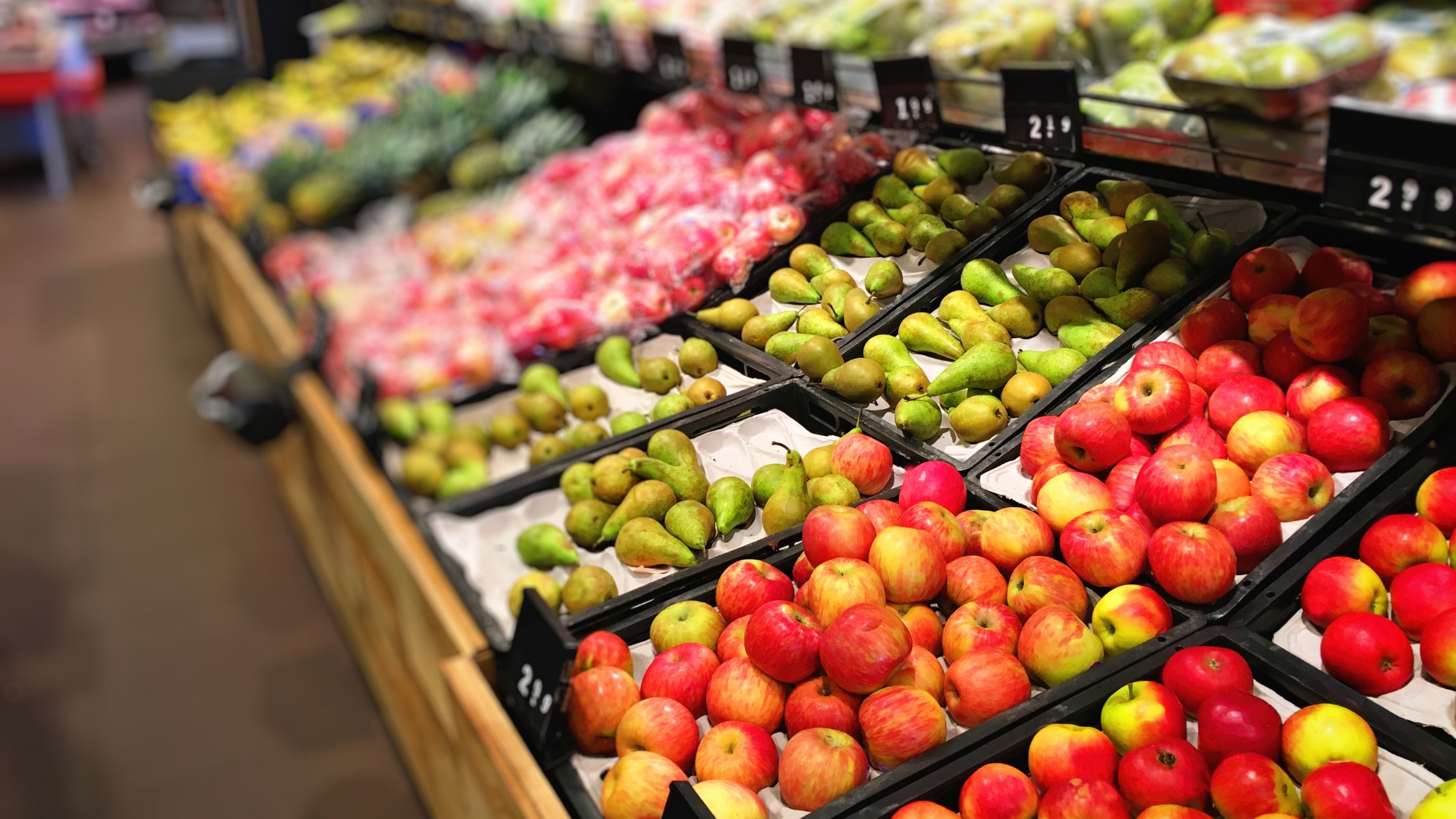
Pricing in food retail isn’t as simple as setting a number and sticking to it. If you’re running a butcher’s shop, farm shop, or fresh produce business, you already know that prices are constantly shifting beneath your feet. What you paid for stock last week might not reflect today’s reality, and what you charge your customers has to keep up.
But while price volatility is unavoidable, the way many businesses manage it is where the real cost lies.
Why prices move so often
In categories like fruit, veg, and meat, pricing is heavily influenced by external factors. Weather events can wipe out crops or affect supply overnight. Feed costs, fuel prices, and seasonal demand all play a role in what suppliers’ charge.
One week you’re buying at a steady rate. The next, prices jump unexpectedly. And when that happens, your selling prices need to adjust just as quickly to protect your margins. The challenge isn’t just that prices change, it’s how often they change, and how much admin it takes to keep up.
The manual burden
For many businesses, pricing is still handled manually. That means rewriting price lists, recalculating margins, and adjusting customer-specific rates by hand. At first, it might feel manageable. But as the business grows, the cracks start to show.
Every price change triggers a chain reaction:
- Base costs need updating
- Margins need recalculating
- Customer-specific prices need adjusting
- New lists or invoices need to be created
Now multiply that by dozens or even hundreds of products and customers. It quickly becomes a time-consuming, repetitive process. Staff spend hours updating figures instead of focusing on sales, service, or growth. And because it’s manual, it’s also slow. By the time prices are updated, they may already be out of date again.
This is where businesses begin to stall. Not because demand isn’t there, but because the operational overhead of pricing becomes too heavy to scale.
When every customer has a different price
Things get even more complicated when different customers have different pricing structures. It’s common for businesses to offer:
- Custom margins for regular buyers
- Special rates for bulk orders
- Agreed pricing tiers for specific clients
But without a system in place, this means maintaining separate price lists for each customer. Every time a base cost changes, those lists have to be recreated or adjusted manually. It’s not just inefficient, it’s fragile as one missed update or incorrect calculation can eat directly into your profit.
Handwriting and misreads
Manual pricing doesn’t just slow things down, it introduces risk. Handwritten notes, invoices, and price sheets are especially vulnerable to errors. A poorly written number can easily be misread. A “3” becomes an “8.” A decimal point gets lost. A margin is calculated incorrectly.
These aren’t just minor mistakes. They have real financial consequences. Undercharge a customer, and you lose margin. Overcharge, and you risk damaging trust. Either way, the business pays for it. And because these errors are often buried in paperwork, they can go unnoticed for weeks or longer.
The hidden cost of staying manual
When you step back, the true cost of manual pricing isn’t just about time or occasional mistakes. It’s about the limitations it places on your business.
Manual systems:
- Slow down decision-making
- Limit how quickly you can respond to cost changes
- Increase reliance on experienced staff to “hold it all together”
- Make it harder to onboard new team members
- Cap how many customers and products you can realistically manage
In short, they create a ceiling on growth. You might have the demand, the supply, and the ambition but the pricing process becomes the bottleneck.
Moving to digital systems
Instead of recalculating everything by hand, you start with your input costs. When those costs change, your system automatically updates selling prices based on your chosen margins.
With a digital setup:
- Prices can be updated in seconds across all products
- Customer-specific pricing is applied automatically
- Margins are consistent and controlled
- Errors caused by handwriting or miscalculation are eliminated
What used to take hours now takes moments. And more importantly, pricing becomes something you control, rather than something that controls you.
What changes when pricing becomes easy
When pricing is no longer a bottleneck, the entire business shifts. Decisions are made faster because you’re working with up-to-date numbers. Waste is reduced because margins are protected. Staff can focus on higher-value work instead of repetitive admin. And perhaps most importantly, you unlock capacity.
Final thoughts
Price volatility in food retail isn’t going away. If anything, it’s becoming more unpredictable. But the way you manage it can change. Manual pricing might feel familiar, but it comes with hidden costs, time, errors, and missed opportunities. Over time, those costs add up and hold your business back.
If pricing updates are eating into your time or limiting your ability to scale, it might be time to rethink your approach. Velocity won’t just save hours, it will give you the confidence to grow without the fear of errors, delays, or missed margins. To find out if Velocity is right for your business, talk to our friendly team today.

